Intelligent Cloud ERP Solutions
Unify finance, supply chain, human resources, procurement, and operational workflows on a secure, cloud-ready ERP platform built for complex organizations. Centralize critical data, automate routine processes, and gain real-time visibility across the enterprise.
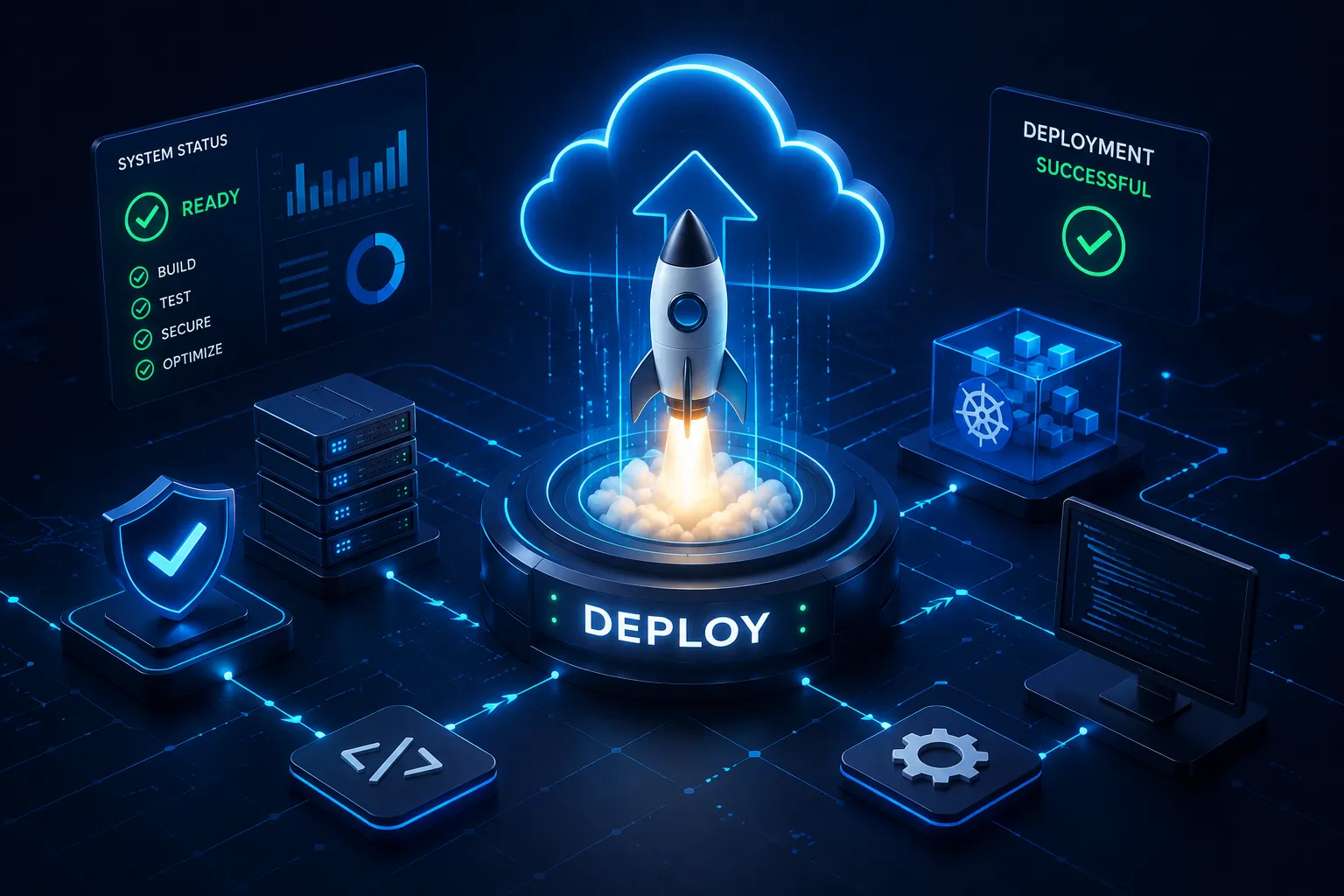
Built for Control, Scale, and Visibility
A modern ERP environment should do more than replace disconnected applications. It should establish a reliable operational foundation that improves governance, accelerates decision-making, and adapts as the organization evolves.
- Enterprise-Grade Security: Role-based permissions, data encryption, and audit-ready activity trails.
- Elastic Scalability: Support growing transaction volumes, users, and multi-location business units.
- Seamless Integrations: Connect ERP workflows with existing applications, legacy systems, and external APIs.
- Centralized Governance: Unified business rules, workflow approvals, and centralized compliance reporting.
Deploy ERP Around Your Enterprise Requirements
Choose an operating model that aligns with your security policies, infrastructure strategy, regulatory requirements, and organizational objectives across cloud, hybrid, or dedicated infrastructure.
- Public Cloud: Rapid deployment on scalable cloud infrastructure with elastic resources and managed availability.
- Private / Hybrid Cloud: Combine dedicated infrastructure with cloud services for maximum security and flexibility.
- On-Premise Deployment: Operate ERP workloads within organization-controlled infrastructure for complete data ownership.
- Integration Ecosystem: Connect with AWS, Azure, Google Cloud, enterprise databases, Entra ID, and banking APIs.
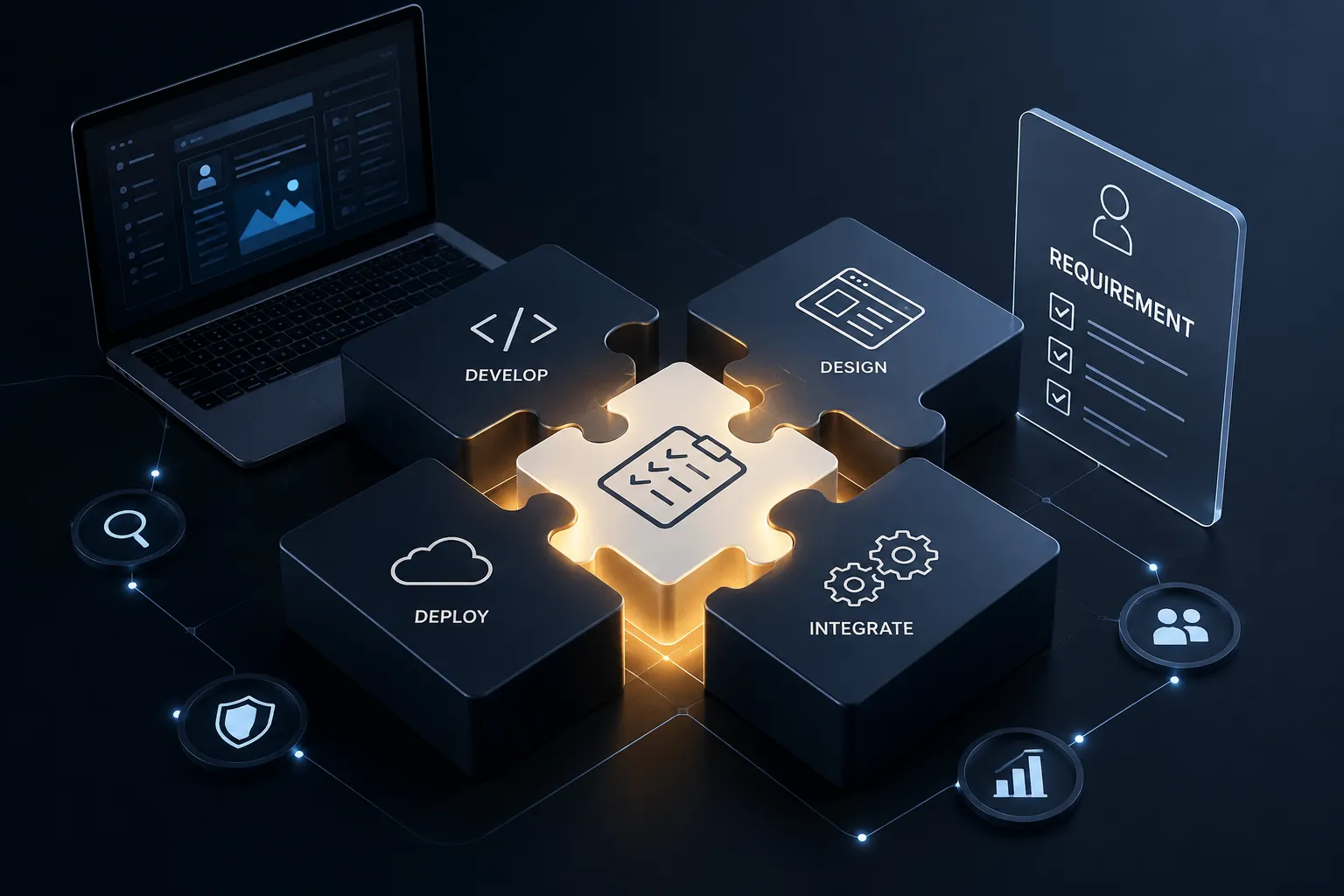
One Platform. Connected Enterprise Operations.
Bring critical business functions together through modular ERP capabilities that share data, automate workflows, and provide a consistent operational view across departments and business units.
Financial Management
Centralize accounting, budgeting, reporting, receivables, payables, and financial controls within a unified enterprise environment.

- General ledger and automated accounting workflows
- Budgeting, forecasting, and financial planning
- Accounts payable and receivable management
- Real-time multi-entity financial reporting
Supply Chain & Operations
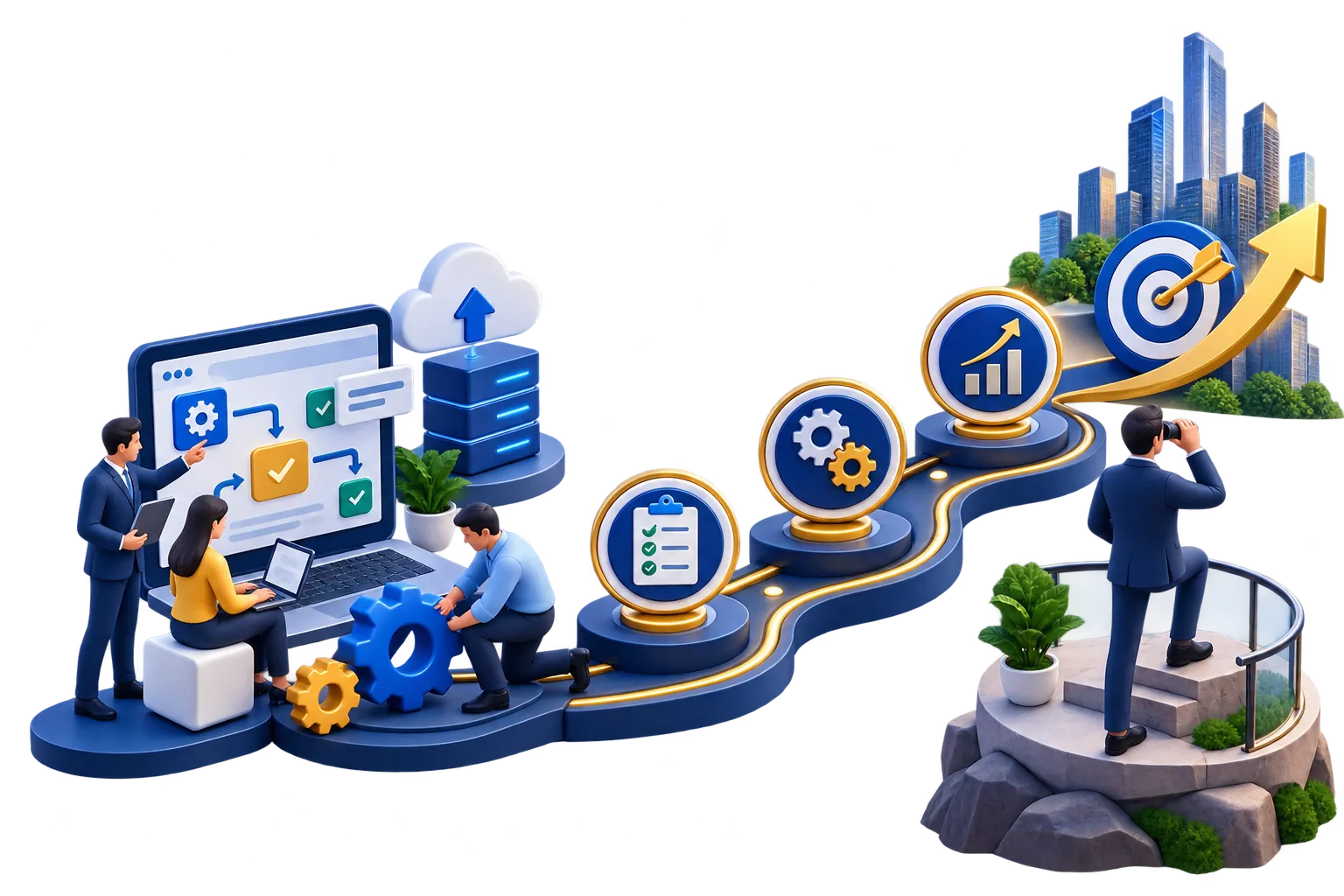
Coordinate procurement, inventory, suppliers, logistics, and operational planning through connected workflows and centralized data.
- Procurement lifecycle and purchase order management
- Multi-warehouse inventory and asset visibility
- Supplier relationship management and scorecards
- Real-time order fulfillment and logistics tracking
Human Capital Management
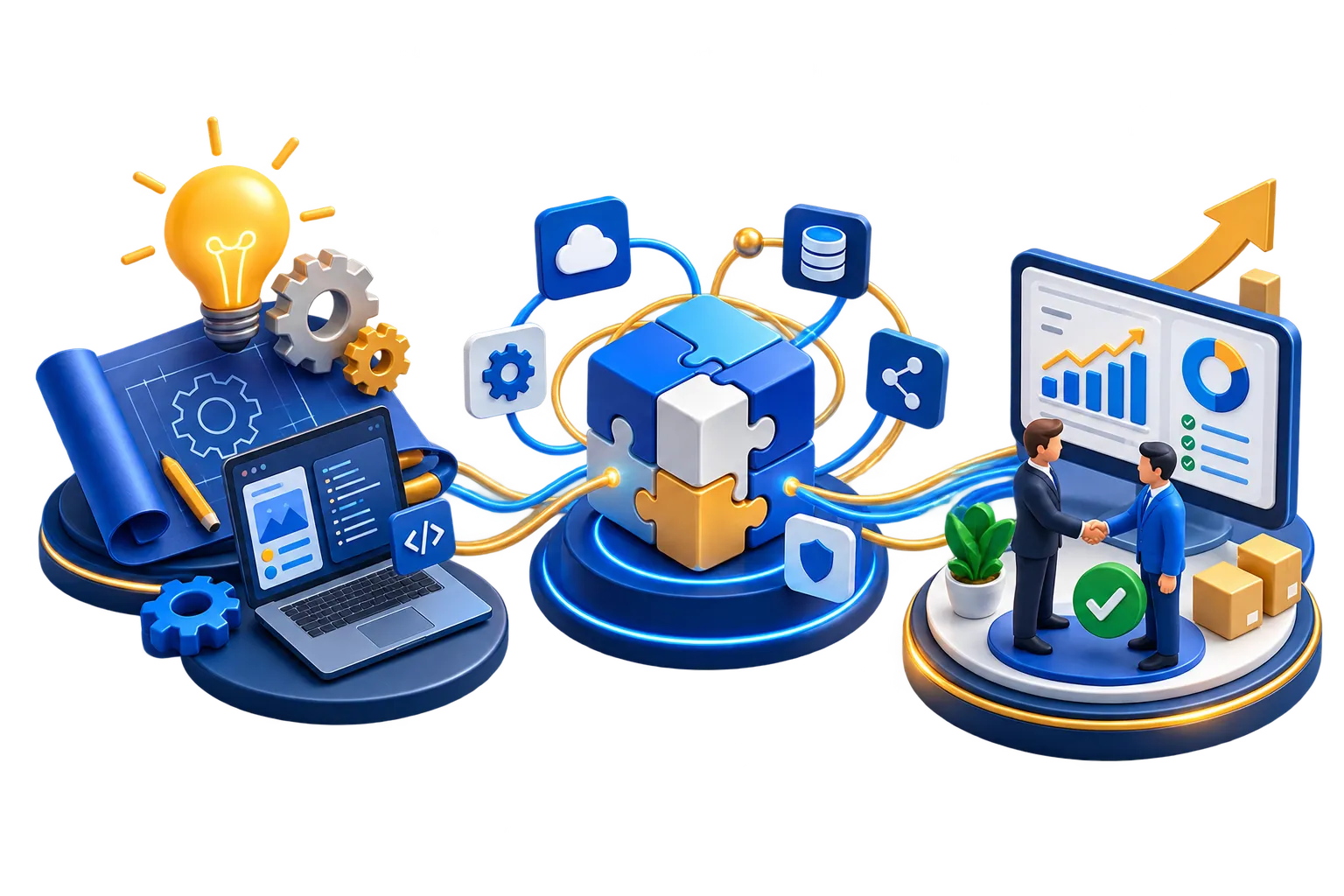
Manage workforce operations from employee onboarding and payroll through performance, attendance, organizational planning, and workforce analytics.
- End-to-end employee lifecycle management
- Automated payroll, tax compliance, and attendance workflows
- Strategic workforce planning and talent acquisition
- HR analytics, organizational modeling, and executive reporting
Advanced Analytics & Intelligent Automation
Transform operational data into actionable insights with configurable dashboards, reporting tools, workflow automation, and intelligent decision support.

- Executive dashboards and real-time operational KPI tracking
- Cross-department operational analytics and audit trails
- Automated business rules, triggers, and approval workflows
- AI-assisted forecasting and predictive decision support
From Enterprise Assessment to Operational Scale
A structured implementation methodology reduces disruption, protects critical data, and establishes a clear path from initial requirements to long-term ERP optimization.
Assess
Analyze existing systems, business processes, data structures, integration requirements, user roles, and operational gaps.
Configure
Configure modules, workflows, permissions, business rules, reporting structures, and organizational requirements.
Integrate
Connect the ERP platform with existing applications, databases, identity systems, payment services, and enterprise APIs.
Migrate
Prepare, transform, validate, and securely migrate required data from existing applications and legacy environments.
Validate
Perform functional testing, integration testing, security validation, data verification, workflow testing, and user acceptance testing.
Deploy
Execute the production rollout through a controlled deployment plan with monitoring, user onboarding, and operational support.
Optimize
Monitor system performance, analyze operational usage, refine workflows, introduce automation, and continuously improve the ERP environment.
Have a Complex Requirement?
Whether you are looking for technology development, identity solutions, enterprise applications, specialized products, system integration or strategic project support, connect with Innovative Minds.